A FOREIGNER'S GUIDE TO TRAINING IN THAILAND
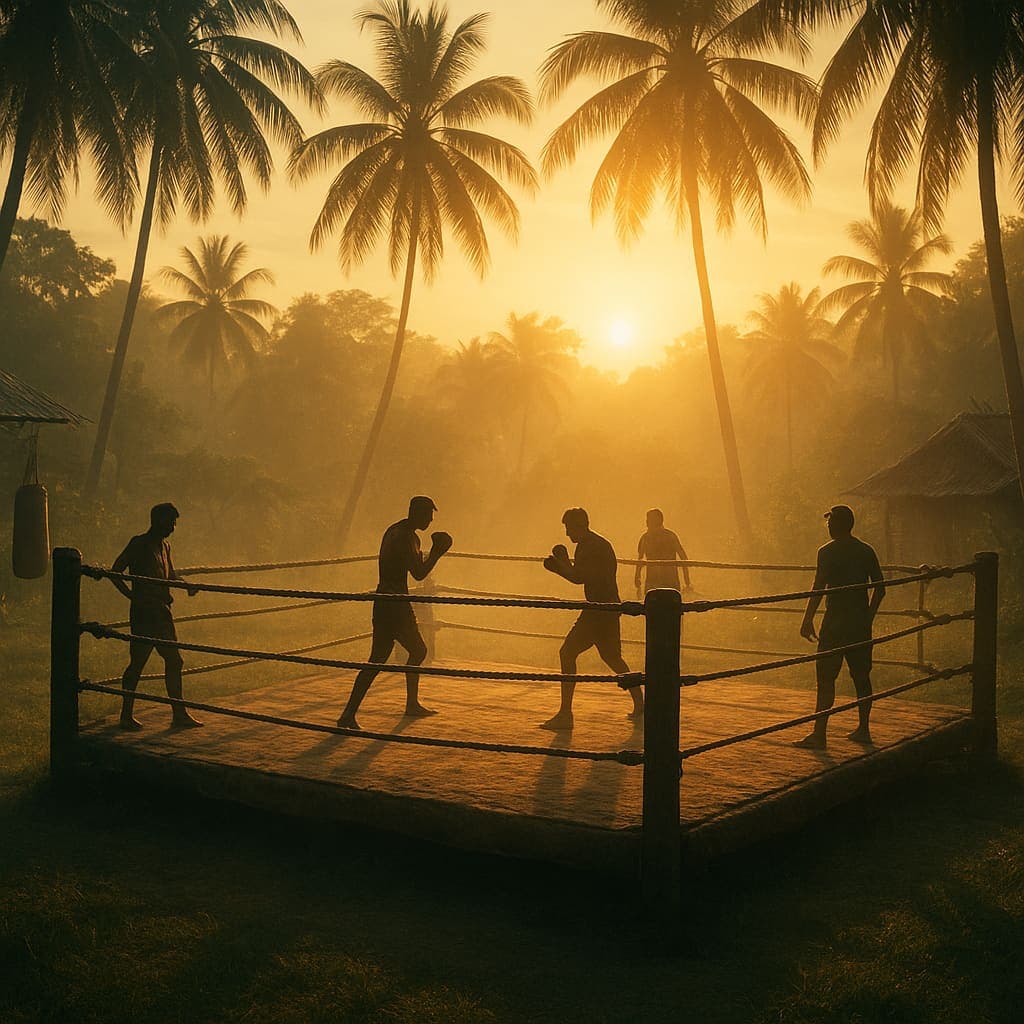
Training Muay Thai in Thailand is a pilgrimage that thousands of foreign practitioners make every year. Whether you are a serious fighter looking to sharpen your skills or a hobbyist wanting an immersive experience, Thailand offers training opportunities that simply cannot be replicated elsewhere. The birthplace of Muay Thai has camps in every region, from the tourist-heavy islands to the fight-focused gyms of Bangkok and Chiang Mai.
Choosing the right gym depends on your goals. If you want serious fight preparation, camps in Bangkok near Lumpinee and Rajadamnern stadiums attract Thai champions and international fighters. Places like Petchyindee Academy, Attachai Muay Thai, and Evolve MMA have produced world-class talent. If you want a balance of training and lifestyle, Chiang Mai offers excellent gyms like Team Quest, Lanna Muay Thai, and Hong Thong in a more relaxed city environment. The islands of Phuket and Koh Samui cater heavily to foreigners with camps like Tiger Muay Thai, Sinbi Muay Thai, and Sumalee Boxing Gym offering modern facilities and English-speaking coaches.
Costs in Thailand are remarkably affordable compared to Western countries. Gym fees typically range from five thousand to fifteen thousand Thai baht per month, roughly one hundred fifty to four hundred fifty US dollars, depending on the gym's reputation and location. Accommodation near a gym can cost as little as five thousand baht per month for a basic room or up to twenty thousand baht for a comfortable apartment. Food is incredibly cheap if you eat locally, with street meals costing forty to sixty baht. Budget around thirty to fifty thousand baht per month total for a comfortable training lifestyle, which is roughly nine hundred to fifteen hundred US dollars.
Visa logistics require some planning. Most nationalities receive a thirty-day visa exemption on arrival. For longer stays, a sixty-day tourist visa obtained from a Thai embassy before departure is the standard option. Some practitioners use education visas through affiliated Thai language schools, which allow stays of up to one year. Visa runs to neighboring countries like Myanmar, Laos, or Cambodia are common for those staying longer. Rules change periodically, so check current regulations with the Thai embassy before your trip.
The daily training schedule at a traditional Thai camp follows a consistent pattern. Morning training begins at six or seven in the morning with a run, followed by shadow boxing, pad work, heavy bag rounds, clinch work, and conditioning. The morning session typically lasts two to three hours. Afternoon training starts around four in the afternoon and follows a similar structure. Between sessions, fighters rest, eat, and recover. This twice-daily schedule can be grueling for newcomers, and many foreign trainees start with one session per day before building up to two.
Cultural awareness goes a long way in Thailand. The Wai Kru, the traditional pre-fight dance and tribute to teachers, is taken seriously and you should learn its significance. Always show respect to your trainers by addressing them properly and following gym etiquette. Remove your shoes before entering the gym, never step over someone who is lying down, and never touch anyone's head as it is considered disrespectful in Thai culture. Tipping your trainers, especially padholders, is customary and appreciated. A few hundred baht after each private session or a larger tip at the end of your stay is standard practice.
The heat and humidity in Thailand will test you regardless of your fitness level. Hydration is critical. Drink water constantly throughout the day and consider adding electrolyte supplements. Your body needs time to acclimatize, so do not push to full intensity in your first week. Heat exhaustion is real and dangerous. Wear lightweight training gear, and train during the cooler morning and late afternoon sessions. Most experienced trainers will recognize if you are struggling with the heat and adjust the intensity accordingly.
Training in Thailand is a transformative experience that goes beyond just improving your fighting skills. You will immerse yourself in the culture that created Muay Thai, train alongside Thai fighters who have been competing since childhood, and develop a deeper appreciation for the art. Plan carefully, respect the culture, pace yourself through the adjustment period, and you will return home a significantly better fighter and a more complete martial artist.
Visa types and long stays require careful planning. Most nationalities get a 30-day visa exemption on arrival in Thailand, which is fine for a short trip but inadequate for any meaningful training stay. The 60-day tourist visa, applied for at a Thai consulate before departure, can typically be extended once for another 30 days at a Thai immigration office. The Education visa (ED visa) is the standard option for stays longer than 90 days — many Thai gyms partner with language schools to provide ED visa support, though the rules around this changed several times in the 2020s and you should check current regulations directly with your camp before assuming. Visa runs to neighboring countries (Laos, Cambodia, Malaysia) are common but increasingly scrutinized. The Long-Term Resident visa (LTR) introduced in 2022 is an option for high-income or skilled-professional travelers staying for years, though it is not specifically marketed at Muay Thai students.
Cost breakdown by city, in rough USD per month at 2026 prices: Bangkok runs $1,000-$1,800 all-in (training, accommodation in a basic apartment, food, transport), with central neighborhoods being more expensive than outer ones. Phuket ranges $1,200-$2,200 depending on whether you stay in Patong (more expensive, more nightlife) or quieter areas like Rawai. Chiang Mai is the most affordable major option at $700-$1,300, with a much lower cost of living than the south. Pattaya falls between Phuket and Chiang Mai. Rural camps like Sitmonchai run as low as $500-$900 if you accept basic accommodation. Add 30-50% to these numbers if you want comfortable accommodation, eat at tourist restaurants regularly, or train at premium camps.
Recommended camp areas depend on your goals. Bangkok is best for serious technical training, easy access to stadium fights, and city life. Phuket (Tiger, Sumalee, Sinbi area) is best for first-time visitors, English-speaking instruction, and integrating training with travel. Chiang Mai is best for cost-conscious students and a slower pace. Pattaya (Fairtex) is best for women's-focused training and beach proximity. Rural camps in Kanchanaburi or Isaan provinces are best for authentic immersion if you can handle the language barrier and basic amenities.
Cultural etiquette at Thai gyms requires deliberate awareness. Remove your shoes before stepping onto training areas, always. Address head trainers as Kru (teacher) followed by their name. Wai (the pressed-palm greeting) is customary when meeting trainers and senior fighters, particularly in the morning. Never step over someone lying on the floor; walk around them. Never touch anyone's head, particularly trainers and senior fighters. Tip your padmen at the end of each training week and especially when you leave — 200-500 baht per week is appropriate for the trainer who actually held pads for you. Wash your gym clothes; showing up in sweat-stained shirts is rude. Don't flex or pose with the wrong people's belts. Respect goes a long way in Thai culture and Muay Thai culture in particular.
What to bring versus buy in Thailand. Bring: prescription medications, your own mouthguard if you have a custom one, tropical-weight athletic shorts in your size if you're tall (Thai sizes run small), comfortable running shoes. Buy in Thailand: hand wraps (cheap and excellent quality), gloves (Thai-made gloves are world-class and cost a fraction of what you pay abroad), shin guards, training shorts, T-shirts, basic toiletries, food. The savings on equipment alone can offset a significant portion of your trip cost.
Dealing with heat and diet changes is the underestimated challenge for foreign students. Thai heat in March-May reaches 38-40°C with high humidity, and the morning runs that Thai fighters do effortlessly will destroy unacclimated foreigners in the first week. Drink more water than you think necessary, supplement electrolytes, train shorter sessions for the first week and build up. The Thai diet is rice-based, calorie-dense, and may produce digestive adjustment for the first 5-10 days. Stick to street food from busy stalls (high turnover means fresh ingredients) rather than tourist-area buffets, and accept that your stomach will adapt. By week three you'll be eating like a Thai fighter and feeling significantly better than you did in week one.
Language basics for the gym are easy and worth learning. The numbers (one through ten), basic greetings, "thank you" (khop khun krap/ka), and the names of the eight limbs in Thai. Even minimal Thai effort produces noticeable warmth from trainers and other Thai fighters who appreciate the attempt. Your trainers may speak limited English, especially at non-tourist camps, and Thai vocabulary makes the daily interactions easier and more rewarding.