FIVE BEGINNER COMBINATIONS EVERY NAK MUAY SHOULD KNOW
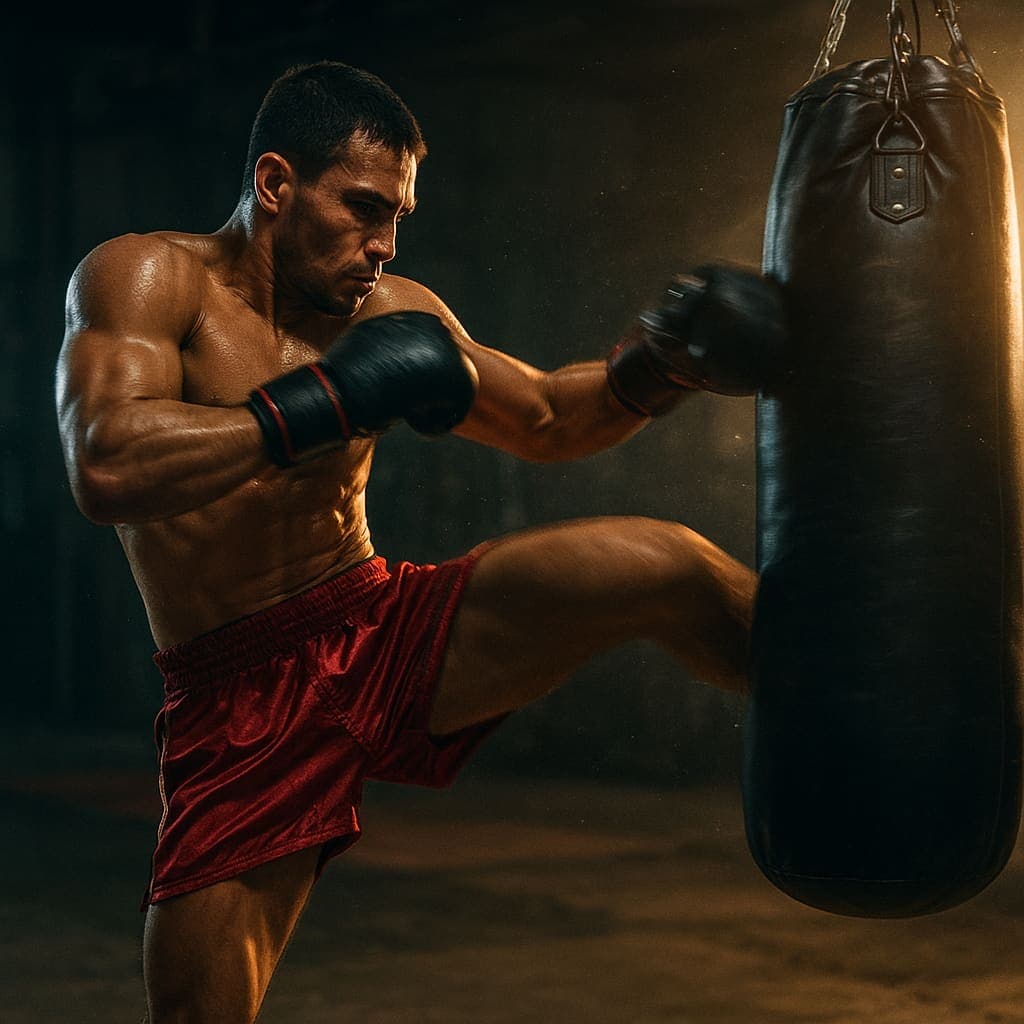
Combinations are the building blocks of Muay Thai offense. A single strike is easy to see coming, easy to defend, and rarely decides a round. Combinations layer threats together, forcing your opponent to defend one attack and exposing them to the next. The following five combinations are the ones every coach in Thailand drills with beginners until they become reflexive, and they form the foundation that every more advanced sequence builds upon.
The first combination is the jab-cross-left kick, the most fundamental sequence in orthodox Muay Thai. You throw a jab to measure distance and occupy your opponent's guard, follow with a cross to commit their attention to the head, and finish with a left roundhouse to the body or thigh. The logic is simple. The punches pull the guard up and the eyes toward the head, which leaves the body and lead leg exposed for the kick. When you drill this combination on the pads, focus on transferring weight smoothly from the jab to the cross, then planting the lead foot as a pivot point for the kick.
The second combination is the jab-cross-hook-right kick. This adds a lead hook between the cross and the kick, creating a punch sequence that walks your opponent's guard around in a predictable pattern. The hook comes across their vision after they have already absorbed two straight punches, often landing clean because their focus has narrowed. The right kick that follows is a power kick delivered from the rear leg, aiming at the body or thigh. The key is not to rush the kick. Let the hook finish, reset your base, and then rotate fully into the kick.
The third combination is the teep-cross-left kick. Starting with the teep, the Muay Thai push kick, changes the rhythm entirely. The teep creates distance, disrupts your opponent's forward pressure, and sets up the cross as your lead foot comes back down. The left kick that follows punishes the opponent who tries to absorb the teep and walk forward. This combination is essential because it teaches you to attack from range as well as at punching distance, and the Thai fighters who master the teep as an offensive tool use it to break down opponents over the course of a fight.
The fourth combination is the cross-hook-uppercut-right kick. This is a close-range combination designed for when your opponent has closed the distance and is trying to clinch or pressure you. The cross pushes them back slightly, the hook turns their head, the uppercut comes through the gap created by the hook, and the right kick lands as they reset. The uppercut is the key strike in this sequence because many Western beginners neglect it, yet it is devastating against opponents who drop their head forward to avoid hooks.
The fifth combination is the jab-right elbow-left knee. This is a close-range combination that introduces two of Muay Thai's most distinctive weapons. The jab closes the distance, the right elbow comes across as you step in, and the left knee lands as you grab the opponent's neck in a brief clinch. This combination teaches the transition from striking range to clinch range, a skill that separates Muay Thai from other striking arts. Drill it slowly at first, focusing on the footwork that carries you from boxing distance into elbow and knee range.
Drilling these combinations should happen every single training session. Shadow boxing is the best starting point because it lets you focus on form without the distraction of impact. Then move to the heavy bag, where you can add power and feel the rhythm of the sequence against resistance. Finally, drill them on pads with a partner who can simulate the movement and reactions of a live opponent. Thai fighters might throw a basic combination like the jab-cross-left kick tens of thousands of times over the course of their careers, and that repetition is what makes their technique look effortless in the ring.